

10 Ways To Live A More Analog (And Satisfying) Life
I read an article in The Atlantic about how college students at the world’s top universities can’t read whole books anymore because of their short attention spans.
Ok, scratch that. I recently saw a TikTok about an article in The Atlantic.
It seems I’m also reading far less than I used to.
The article (titled “The Elite College Students Who Can’t Read Books”) went viral and sparked contentious debates in academic circles.
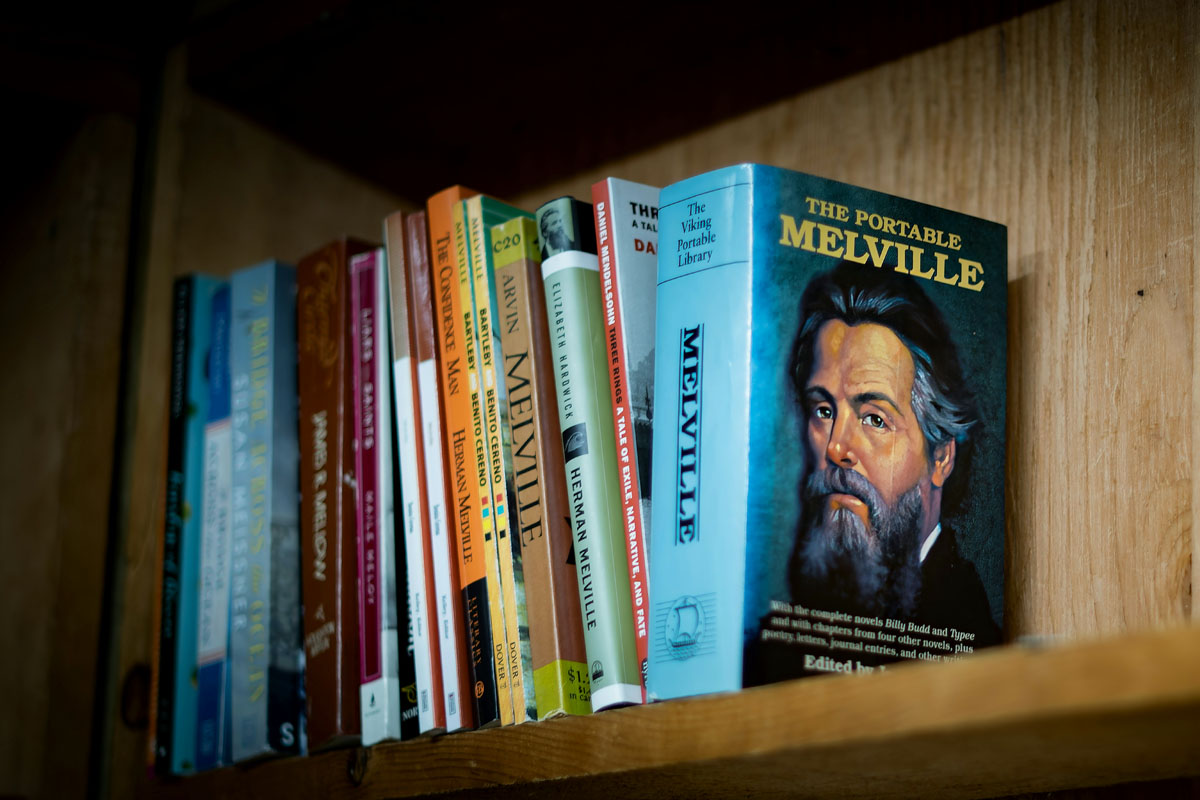
And fingers were pointed everywhere in blame – at high schools with lower standards, at the lockdowns during the pandemic and at the apathetic students who don’t see the economic value of reading Moby Dick.

But one major culprit reared its ugly head repeatedly: the smartphone.
“It’s changed expectations about what’s worthy of attention,” Daniel Willingham, a psychologist at the University of Virginia, told The Atlantic. “Being bored has become unnatural.” Reading books, even for pleasure, can’t compete with TikTok, Instagram, YouTube.
Mountains of research have linked smartphone scrolling to frizzled attention spans, depression and anxiety.
Though you probably don’t need The Atlantic to realize how society’s preoccupation with screens has made attention a rare commodity.
We’ve all sat through dinners, metro rides and gatherings where everyone was eerily glued to their smartphones. And over the years, those eerie scenes have become the standard.
My reading life

But somehow the article about college students still came to me as a shock.
Because I always thought there were far-away, ivy-clad sanctuaries like Columbia where the frivolities of our modern age couldn’t reach.
But apparently nobody is immune.
And the article made me realize I wasn’t immune either.
I studied English Literature at one of the world’s top universities. And of course I read and adored Moby Dick.
I once re-read Anna Karenina for a course on Russian Literature. And I fondly remember 6 or 7-hour days in my backyard at Berkeley immersed in Middlemarch.
But could I read Middlemarch in a few sittings today?

It’s been way too long since I immersed myself in a thick novel. It’s been too long since I lost track of time while traversing another world.
I kept telling myself that I just didn’t have the heaps of time I did as a college student. I have a career and responsibilities now.
But then I looked at my screentime on Instagram, Netflix and TikTok. And I realized I did have time – I just wasn’t spending it wisely.
So I decided to do something about it.
I decided to make a slow and meandering return to my Berkeley lifestyle. To the time before smartphones, the weekends browsing bookstores, the evenings playing around with watercolors when there was nothing on TV.
I decided to live a more analog life.
Towards an analog life


I’m hardly alone in my quest for a more analog life.
People of all generations are realizing they don’t want to spend their lives glued to their screens.
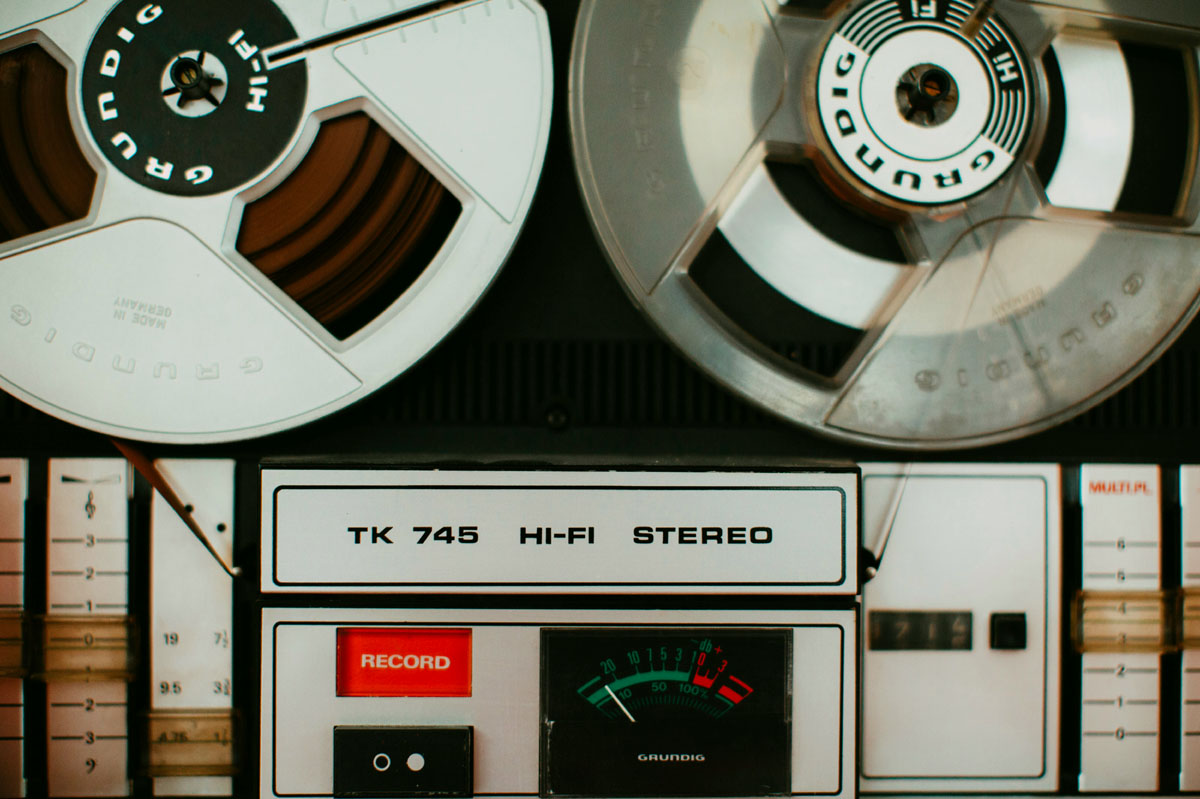
From the group of teenagers at a high school in Brooklyn who founded an offline club to the growing popularity of vinyl records and puzzles, the analog life has made a comeback with a cult-like following.
And while TikTok gained notoriety during the pandemic for its addictive brain rot, it’s also the platform where teenagers share book recommendations and where Dakota Warren readers her poetry.
The yearning for a slower and more meaningful life is universal. And I suspect the analog lifestyle will only grow in popularity with the advent of AI and other conveniences.
First steps

If you’ve been yearning to dislodge yourself from your smartphone and return to old-time pleasures like reading and walks in the park, it’s not always easy to make the switch.
It should be easy – because you don’t need to be convinced about the dangers of social media addiction.
But making the switch takes discipline because your smartphone is basically designed to be addictive.
And your attention span is like a muscle. You can’t go from 3 hours of daily scrolling to 3 hours of reading War and Peace – just like you can’t go from lifting 5 kilos to lifting 50.
But it’s possible. And trust me – it’s so worth it.
The thick novels and walks in the park are going to feel excruciatingly boring at first, because you’re comparing them to the easy dopamine hits your smartphone provides.
But stick with it and you’ll experience far richer rewards in your analog life – pleasures that will make your smartphone feel like a kindergarten toy.
So where do you even start?
Here are some ways to make the shift in a gradual and sustainable way from a screen addiction to an analog life.
1. Consume more long-form content
I love a good social media detox – and there’s a certain beauty to cutting out social media cold turkey and spending a weekend in airplane mode.
But it ‘s a far more sustainable strategy to find new obsessions to replace the old. Because you can detox all weekend long – but then you’ll find other ways to fill up your time.
I’ve read hilarious stories of people cutting off Instagram and TikTok only to find themselves spending hours on LinkedIn and YouTube Shorts.
So get busy with analog things to the point where you forget your smartphone is even there.
Cultivate new habits that will effortlessly replace the old. Make the gradual shift to longer-form content to replace short-form rot.
Some ideas:
- Read more blogs: As AI takes over more of the Internet, invest your time in reading long-form blog posts and content from those who write passionately about what they love. Find blog posts to read on Pinterest and save your favorites in a board. Try Substack and organize your favorites in an RSS reader like Feedly.
- Read magazines: Buy the real paper versions at your local book shop and load up on used magazines at the thrift shop. Lay them on your desk, nightstand and other high-traffic areas. Train yourself to reach for them in moments of boredom.
Blogs and magazines will fill up your time and prep your mind for longer and more rewarding books.
2. Join a book club
If you need some extra motivation to start reading books again, join a real-life book club and get some accountability.
Once you make a few friends at your local book club, you’ll look forward to those monthly discussions over lattes and carrot cake. And you’ll keep up with your reading because you’ll have those meetings to look forward to.
Reading more books is one of the most popular New Year’s resolutions that people always make in December. Unfortunately those ambitious plans often fizzle out sometime in February.
And diving into Moby Dick is probably too ambitious if you’re coming off a social media addiction.
But a local real-life book club will get you reading at least one book a month – and usually a lively book that sparks discussion.
Once you start reading for your book club, you’ll be reminded of the joys of reading. And you’ll be motivated to read more.
Read more: How To Read More Books: 27 Strategies Even If You’re Busy
3. Start doodling
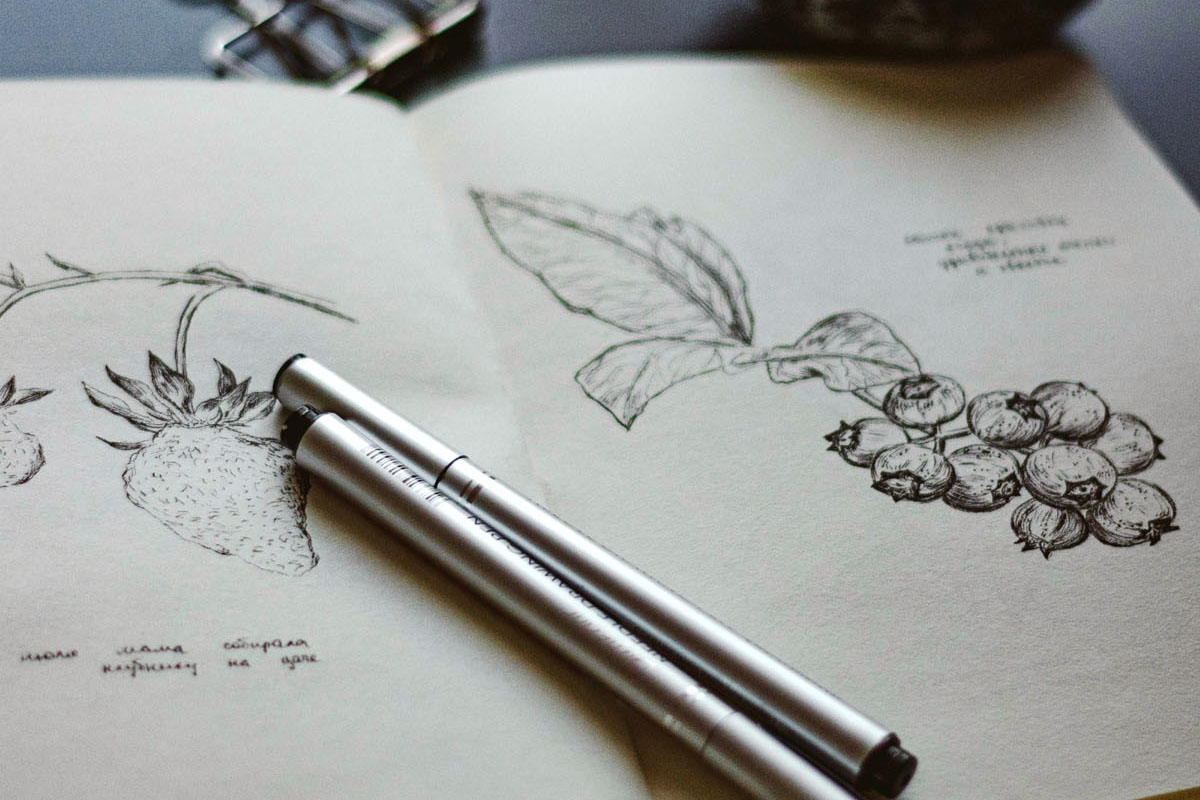
Doodling is a simple pastime that doesn’t require much time, money or talent. Anyone can pick up a pen and draw a maze of circles in a notepad.
But don’t dismiss doodling that easily because this little pastime has some life-changing benefits.
Doodling relieves stress, improves your memory, boosts mindfulness and sharpens your focus. And that’s exactly what a distracted, screen-addicted brain really needs.
How to doodle:
- Set a timer for 10 minutes and draw a series of circles and lines until you get lost in the process. Doodling boosts your mood and gives you the satisfaction of creating something (no matter how small).
- Start an art journal to elevate your doodling. Set a timer for 30 minutes and fill up a page with colored squares painted with watercolors. Or draw a series of leaves with colored markers.
- Find “doodle tutorials” on YouTube for ideas whenever you’re feeling stuck. These tutorials also get you over the fear of the blank page and get you doodling until you relax into the process.
Get an adult coloring book if you’re an absolute beginner and don’t feel comfortable with free-form doodling.
Just like with any habit, set aside a dedicated 10 minutes in the evening (while you’re watching TV) to doodle. Don’t wait for inspiration to strike – it only strikes when there’s a pen in your hand!
4. Read poetry

There are moments in our everyday life – like waiting in line or taking a break – when we automatically reach for our smartphones for some easy entertainment.
But those moments are just too short to pull out an entire book and start reading.
A little volume of poems is the perfect alternative. It gives you short snippets of poetry to savor during those bursts of time you’d otherwise spend scrolling.
And I’m not talking about the complex sonnets of Shakespeare or Yeats. Poetry is a lot more accessible these days and you can find beautiful small editions of poems that fit perfectly into your handbag.
There are also apps like Daily Poetry by Bitlink (my favorite) that give you short and digestible poems that are nevertheless beautiful and deep.
You’ll be surprised how a few lines of poetry can enrich those everyday moments waiting in line at the grocery store.
5. Give yourself a timed challenge
Everything is about convenience these days from fast food to packages delivered the next day.
And we’ve become complacent – valuing a life of comfort, ease and weekends curled up with our favorite series.
But paradoxically, vegging out in your free time doesn’t really bring you the peace of mind it promises.
It leaves you pacified but also unsatisfied.
Throw yourself into a challenge to counteract this modern-day tendency to flow comfortably through life.
Do something difficult and out of your comfort zone. Spend a weekend pushing yourself and – paradoxically – you’ll wake up on Monday far happier and more refreshed.
Set yourself a challenge based on your interests, whether that’s a long-forgotten hobby or something you’ve always been meaning to try.
Are you envious of anyone in your life? Take a look at what they’re doing and that’s often a good indicator of what you’d love to try yourself.
Just make sure to give yourself a deadline. Half the fun of challenging yourself is giving yourself a time limit.
Some ideas for a timed challenge:
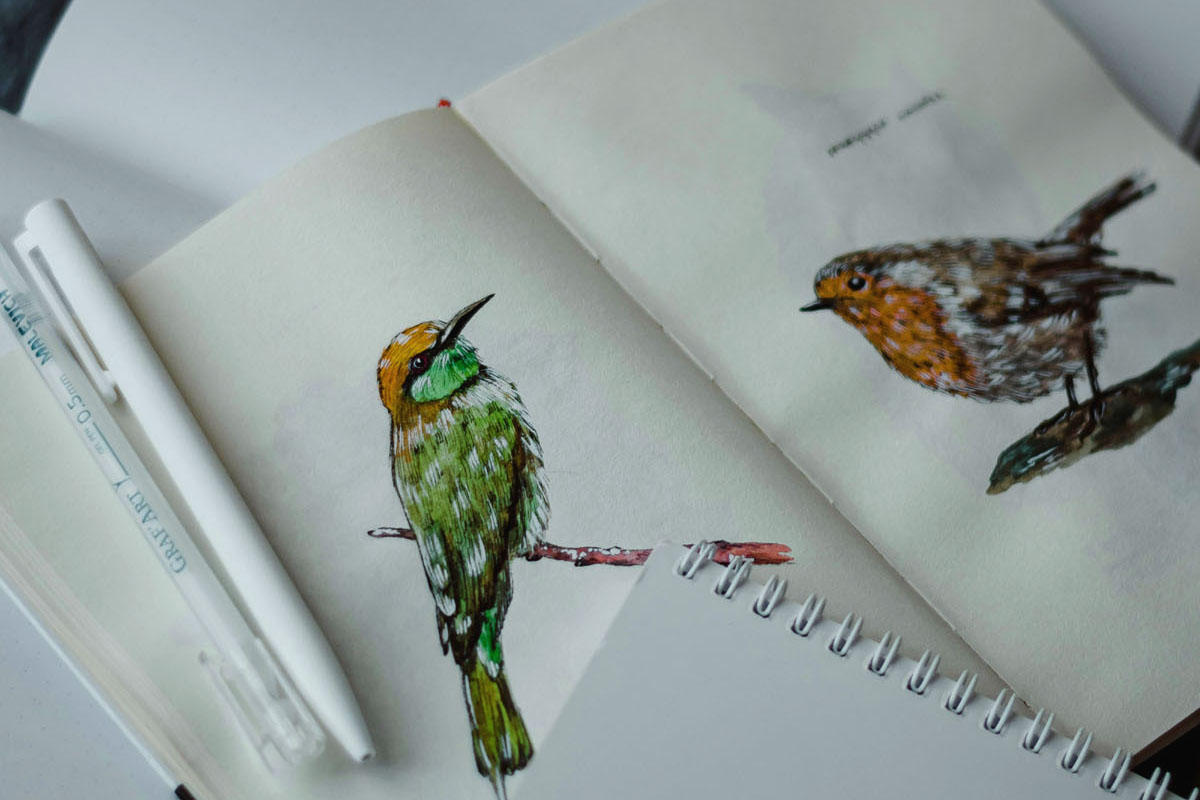
- Sketch 30 birds in 30 days (or 30 flowers, cars, buildings or whatever interests you).
- Bake a new recipe every weekend for 3 months and document your results in a baking journal.
- Create a moody playlist on Spotify for each month of the year.
Your timed challenge should be in line with your passions and interests.
Timed challenges also work great seasonally. For example, try a new coffee shop every weekend in December. Or go on a new hiking path twice a week in spring.
Timed challenges pull you out of your predictable routine and remind you of the pleasures of striving towards a goal.
They also make you a more fascinating and interesting person. Just think of all the books about people who’ve gone on a personal quest (to hike a difficult trail, to read all of Bronte’s novels in a year, etc).
6. Plug your headphones in
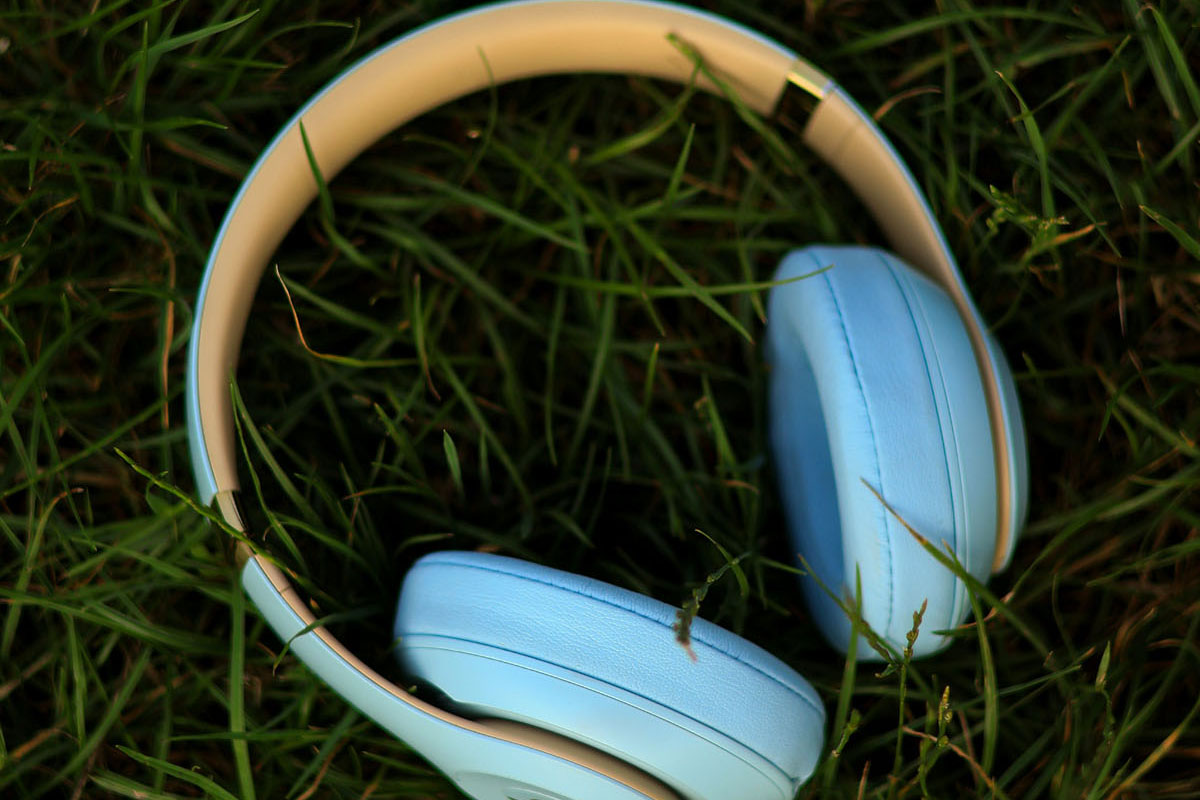
We focus so much on looking at our screens that we forget how nice it feels to just close our eyes and listen to something.
Humans once sat by the fireside and told stories, letting their imaginations conjure up the scenes described in novels and radio programs.
But we’ve now weakened that sense of imagination and wonder because we hardly ever picture anything to ourselves anymore. We’re constantly fed ready-made images that were conjured up by somebody else.
So plug your headphones in and unwind with a coffee in your backyard while you listen to an audio book and look out into the nights. Let yourself imagine the scenes in the book and train yourself to steer your focus and pay attention to the story.
Or take a walk with an inspiring podcast and listen to somebody’s life story as you take in the trees and sunshine at your local park.
Some things to listen to:
- audio books: there are lots of free classics on the LibriVox app.
- podcasts: they’re on just about any topic.
- playlists: design some to fit any occasion or browse to explore new artists.
- albums in their entirety: experience the music and give it your full attention.
7. Journal every morning

It’s so tempting to reach for your smartphone first thing in the morning, just to check those emails, notifications and messages.
But that quick little check-in easily turns into 20 minutes of scrolling. And that dopamine hit immediately sets the tone for the rest of your day. It dulls your attention span before you’ve even had your coffee.
Pick up a journal instead and write for 10 minutes. Even a short journaling session in the morning lets your mind know its capable of pushing through challenges. And that empowering feeling helps you beat procrastination for the rest of the day.
A morning journaling session:
- sets a positive tone for your day
- clarifies your thoughts
- manages stress
- prioritizes your goals
If you don’t know what to write about, use some journaling prompts to guide you. Do some affirmation or gratitude journaling, or set yourself a timer and write freely for 10 minutes.
There are lots of different journaling techniques. Find the one that inspires you most.
Read more: What Are Morning Pages? (And 20 Easy Tips To Start)
8. Get an analog hobby

Find something to do with your idle hands instead of always reaching for your smartphone at any sign of boredom.
An analog hobby reconnects you with the real world outside of Instagram Reels. It gets you creating real objects in the physical universe – which gives you a greater sense of accomplishment than moving your fingers across any screen.
Humans are meant to use their hands to create, shape and craft their realities. And an analog hobby puts you back in touch with that most basic, human instinct again. It makes you a fuller and more satisfied human being.
Make sure your analog hobby uses your hands and all of your senses to create a real and tangible result (hobbies like yoga and nature walking are great, but they don’t really count in this case).
Some analog hobbies to try:
- cooking and baking
- sewing, embroidery and crochet
- gardening
- puzzles
- painting, drawing and sculpting
- soap and candle making
- playing an instrument
- woodwork and DIY projects
Read more: 21 Slow Living Hobbies For A Happier, Less Stressed You
9. Dive into a hyper-specific subject

Reignite your sense of curiosity and dive into a hyper-specific subject to study and explore.
Whether its Greek Mythology, the history of Persia or 1950s Hollywood, pick a subject that you’ve always found interesting.
Then dive in and study that subject in depth. Learn all you can about it and make your learning process enjoyable.
Soak in new knowledge for its own sake. Forget about certificates or real-life career benefits. Learn for the sake of learning.
We’re meant to be lifelong learners. And nurturing your curiosity by studying something in depth is an incredible way to combat depression and lower your risk of Alzheimer’s.
How to dive into a subject:
- get a notebook and dedicate it to the subject
- listen to podcasts, read books and peruse online articles about the subject
- take online courses or sign up for a class related to the subject
- take notes and write them down on physical paper
- listen to online lectures and watch documentaries about the subject
- sketch and make diagrams related to your subject
- study outdoors, light a scented candle or put on some music during your study sessions
- join any local clubs related to your subject
10. Stock up on houseplants

Greenery is the best cure for an anxious, screen-addicted mind. And if you can’t get outdoors every day, house plants are the next best option.
Just looking at the color green boosts your well-being. And a few leafy house plants immediately lift and brighten your environment.
House plants also give you something to nurture and care for.
Remembering to water them, pruning and tending to them also gives your mind something to do in the physical realm.
Caring for house plants puts you in touch with nature and brings you into the present moment. It makes you more mindful and aware of your environment.
Yes, even a few house plants make a big difference.
Read next:
57 Life-Changing Simple Living Quotes (To Inspire You)
51 Inspiring Quotes About Journaling (To Get You Writing!)
How To Start A Diary (In 6 Easy Steps)

Reclaim your life from the digital noise.
Join my one-day Analog Workshop to get practical resources and interactive sessions to help you close the screen, defeat distraction and design an intentional life.

Fabulous. I have been in the process of these very kinds of things, so thanks for the variety of options and techniques. Crack that book, and by the way- why did we never hear from Ishmael after that first appearance?
Ben