
How To Simplify Your Life: 8 Quiet Shifts For Calmer Days
I sometimes feel my cortisol levels rising just looking at the accumulated piles of papers, notebooks and coffee cups on my desk.
Stacks of unfolded laundry, cupboards full of broken appliances and shelves stacked with expired spices have that same effect.
And I’m not being dramatic because research shows that physical clutter and a chaotic environment can significantly raise cortisol (your body’s stress hormone).
Embracing a more minimalist lifestyle has helped me let go of all that physical clutter.
But it’s also made me a more grateful, peaceful and focused human being.
I’ve learned that a few carefully-curated and beloved items bring more happiness than weekend shopping sprees and impulse purchases.
And I’ve learned to be grateful for what I have instead of believing those marketing lies that tell us we’re just one gadget away from perfect fulfillment.
Though when I say I’ve embraced a minimalist lifestyle, I don’t mean I swapped out colorful rugs for neutral prints or plastic pasta bags for matching glass containers.
Because a minimalist lifestyle goes beyond aesthetics.
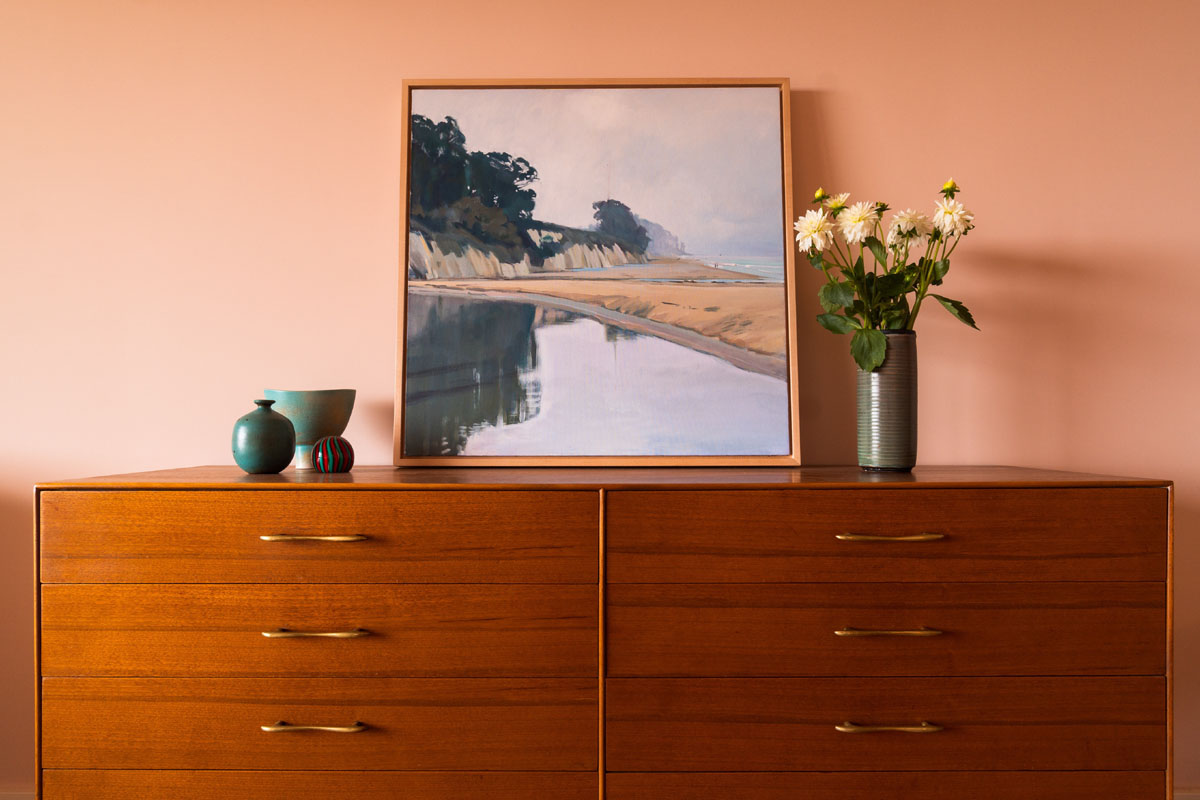
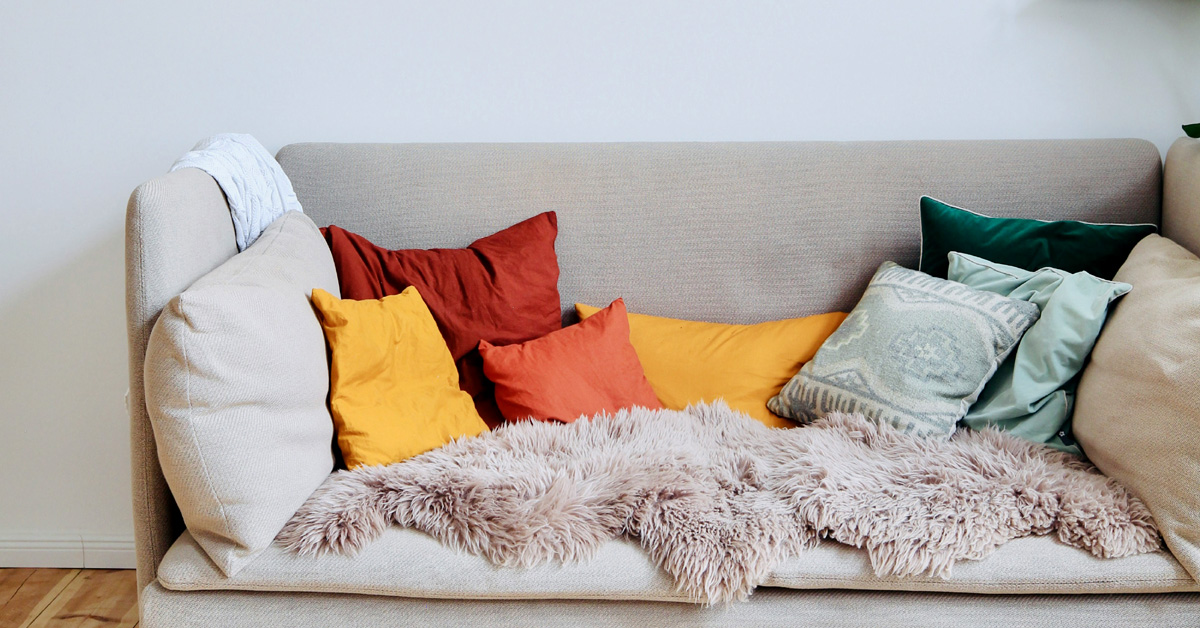
And despite the Pinterest boards to the contrary, you don’t need a beige couch to embrace minimalism. Nor do you need to donate your colorful wardrobe or your collection of fox figurines to live more minimally.
Minimalism has nothing to do with color and everything to do with simplicity.
A minimalist lifestyle means:
- A simpler calendar that prioritizes time with loved ones over self-imposed obligations.
- A simpler home where you keep nothing that’s not either useful or beautiful.
- A simpler weekend filled with experiences that create memories and not things that create debt.
Are you craving a simpler life that prioritizes joy over material gains and status symbols?
Here are my powerful (but realistic and actionable) tips for a more minimalist lifestyle:
1. Turn off your phone
Limiting your screen time is the single most powerful change you can make towards a minimalist lifestyle.
Yes, you do have to check your email for work and keep up with your friends. But you don’t have to spend 2 hours online doomscrolling, watching cat videos and flipping through photos of your cousin’s vacation to Greece.
I used to reach for my phone in the evenings to unwind. But in reality, screen time is anything but calming even if those AI cat videos do really make you smile.
Screen time increases stress, depression and anxiety. And it makes it harder to concentrate. You’re far less patient and far more overwhelmed when your attention span is eaten away by hours of YouTube Shorts.
You probably don’t even realize how many hours a day you spend scrolling. Download a screen time tracker and prepare for a rude awakening.
You’ll probably be surprised how those hours add up. But awareness is the first step in regaining control of your time.
Start limiting your screentime to 30 minutes a day. It won’t be easy at first, but you’ll soon experience a quieting of your mind. And you’ll get hours of spare time you didn’t even know you had.
2. Forget aesthetics
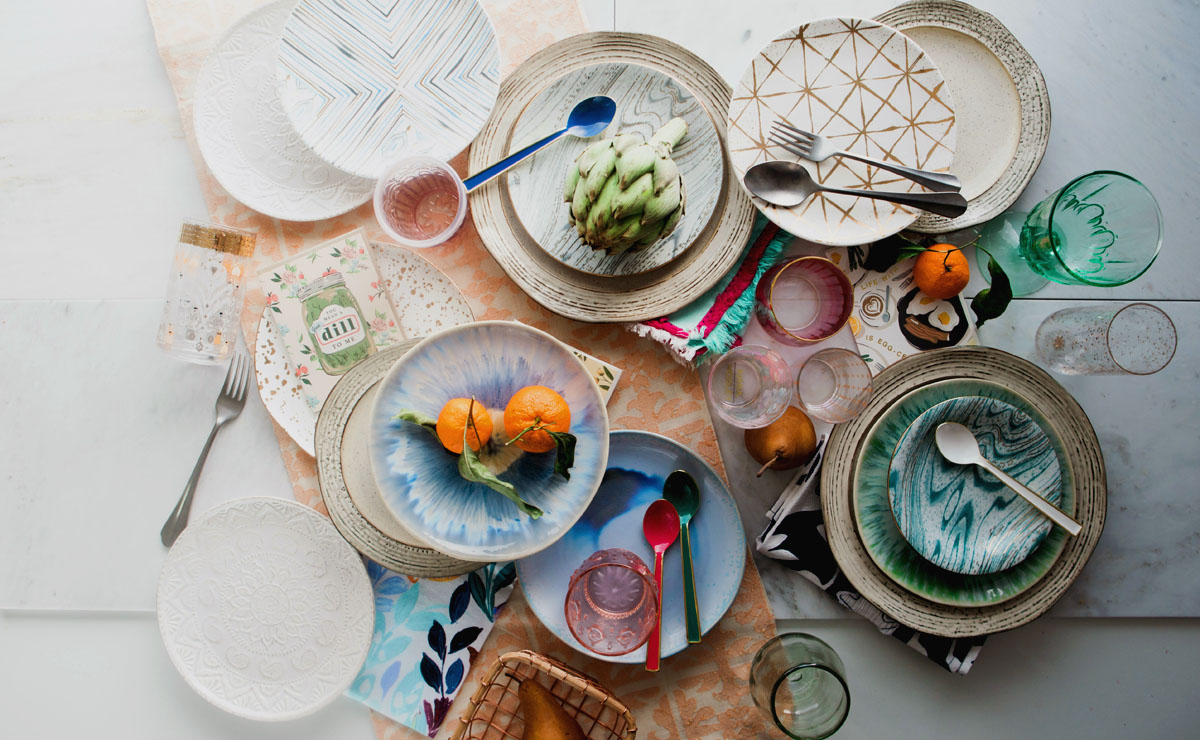
Don’t get caught up in the aesthetics of the minimalist movement.
Your home doesn’t have to be stacked with neutrals and well-labelled jars. You can embrace color in your home decor and still be a minimalist.
A beige and grey aesthetic is really just another trend – and ironically a marketing tool to get you to shop for some minimalist “basics” to replace those colorful, mismatched items.
It’s a great idea to declutter and simplify your space. But you don’t have to buy into the neutral beige aesthetic.
3. Practice gratitude
Start a gratitude journal and count your everyday blessings.
Appreciate and celebrate what you have instead of comparing your life to social media feeds and Netflix romcoms.
Gratitude is a powerful tool that helps curb your spending, lowers your anxiety and makes you less anxious.
When you’re grateful for what you have, you’re less likely to spend money to boost your self-esteem.
4. Get a library card

Use books, magazines and art albums as your main source of entertainment.
Put your phone away for an evening and flip through some slow living magazines. Follow your interests and read about whatever inspires you – not what you feel you should be reading.
Reading more books increases your attention span, lowers your anxiety and serves as a meditation that does wonders for your mental health.
And a library card lets you read widely and try new genres without adding to your overflowing bookshelves.
You’re also far less likely to get stuck with a book you don’t enjoy.
5. Declutter in sessions
Keep your home streamlined with regular decluttering sessions.
Piles of disorganized junk cause physical stress and anxiety. And nobody functions well in an environment filled with ill-fitting clothes, broken appliances and useless knick knacks.
Set a timer for 15 minutes and tackle a single kitchen drawer or stack of jeans at the bottom of your closet.
Work in manageable blocks of time instead of trying to overhaul your entire home in a weekend.
Clutter is bad. But it’s also OK to surround yourself with beautiful objects, colors and collections.
A minimalist lifestyle doesn’t have to mean a sparse and monastery-like home.
6. Use storage baskets
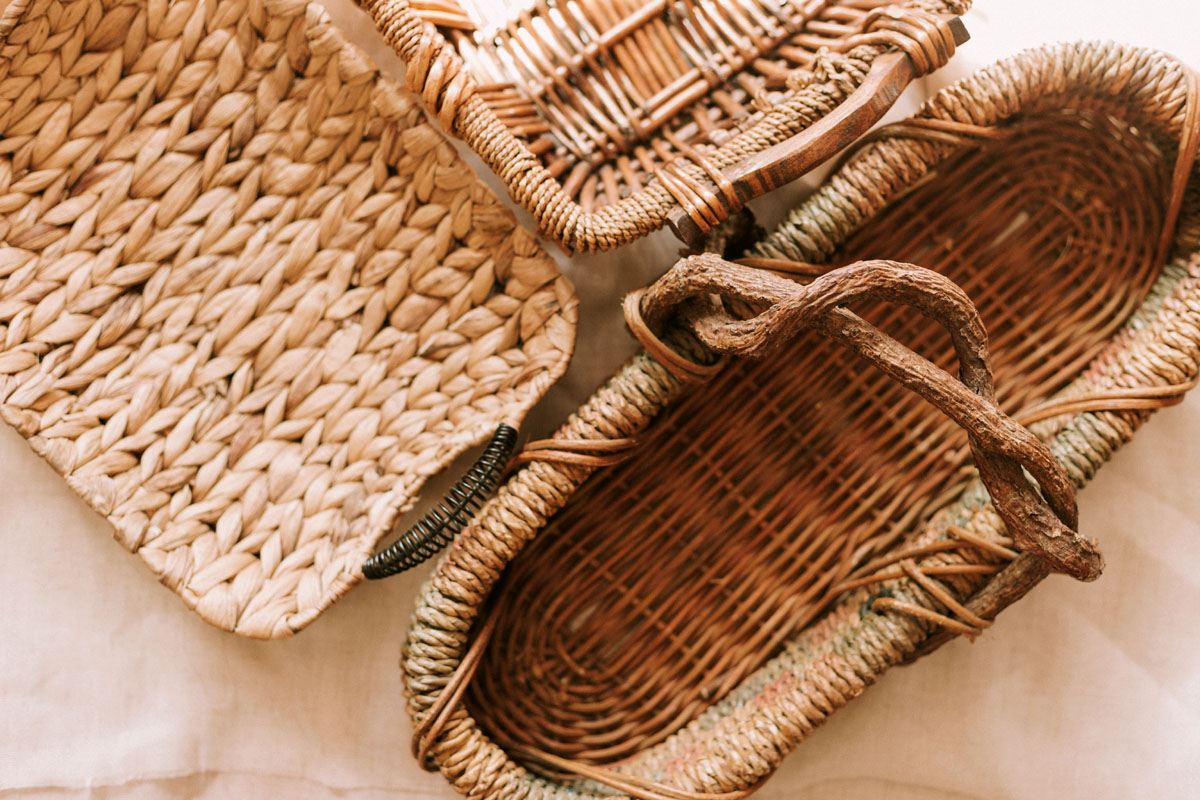
Keep your home clutter-free by storing away all non-essential items you don’t use everyday.
The more breathable your home feels, the less anxious you’ll feel.
Storage baskets are a great first step to getting rid of items.
Storage lets you put items aside for awhile with the security of knowing they’re still there if you need them. You can later donate or get rid of any items that you don’t miss.
7. Buy experiences not things
Whether it’s birthday gifts or weekend plans, invest in experiences over physical objects.
You can’t really go wrong with museum tickets, memberships to a botanical garden or spa vouchers.
These activities are a great way to spend more quality time with loved ones.
8. Don’t spend above your means
If you carry an outdated phone and generic handbag, there will be plenty of people who’ll call you cheap or just slightly out of touch.
Peer pressure can be immense to buy a luxury car, the latest trendy accessories and the shiniest phone.
But don’t fall into the trap of spending more just to prove your worth to others (or yourself).
Surround yourself with supportive people who don’t judge you based on your possessions.
This might mean setting new boundaries or distancing yourself from competitive “frenemies” who brag about themselves without ever listening to you.
Read next:
15 Things To Do In The Morning (Instead Of Scrolling)
How To Be More Productive (Even When You Feel Lazy)
How To Finally Start Journaling (4 Proven Hacks)

Reclaim your life from the digital noise.
Join my one-day Analog Workshop to get practical resources and interactive sessions to help you close the screen, defeat distraction and design an intentional life.
